Preclinical WebsiteClinical Website
Last Updated: May 11, 2026
Authors: Alexa Brown, Ph.D. and Barry J. Bedell, M.D., Ph.D.
Table of Contents

Research Study Summary: Cytokine Profiling in EAE

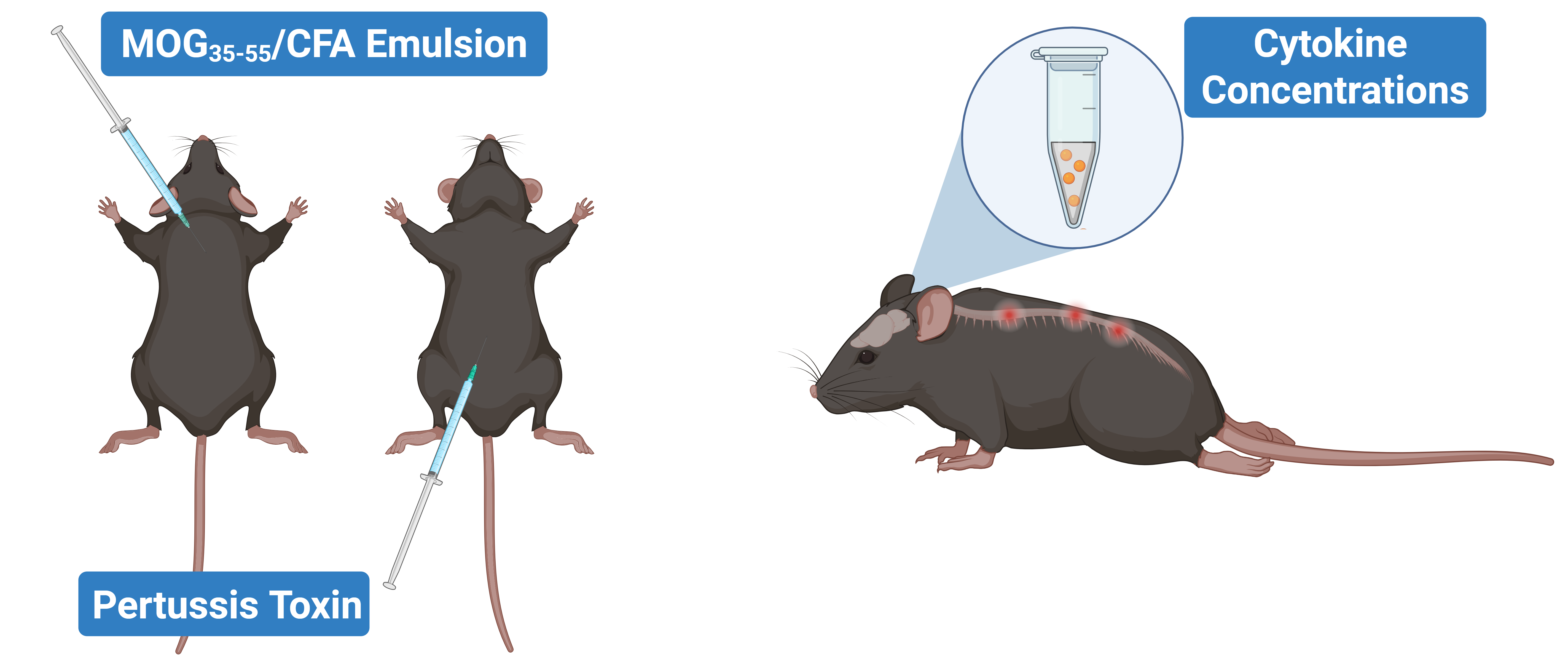
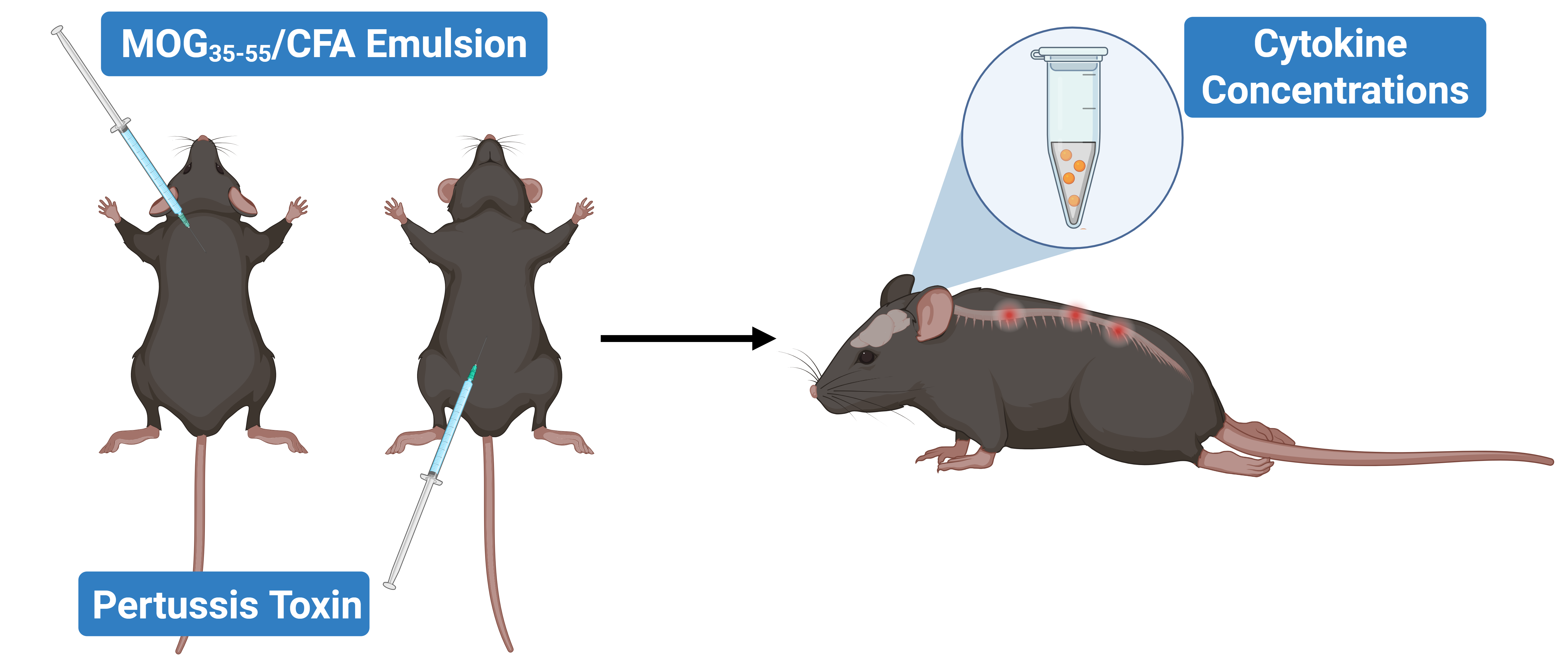
We directly measured cytokine protein levels across multiple biological matrices (both CNS tissues and fluids) in EAE to capture an aspect of the immune response that is frequently inferred, but less often quantified at the protein level. We induced EAE in mice using MOG35–55 in complete Freund’s adjuvant (CFA) with pertussis toxin, and disease was assessed 21 days post-immunization. Cytokine levels (IL-1β, TNF-α, IFN-γ, IL-6, IL-10, IL-4, IL-2, IL-5, and the chemokine KC/GRO) were quantified using an ultrahigh sensitivity multiplex immunoassay in plasma, CSF, and spinal cord homogenates.

IL-2 and TNF-α were significantly elevated in the CSF, while IFN-γ, IL-1β, IL-2, IL-6, and TNF-α were increased in spinal cord homogenates; no significant differences were detected in the plasma. These findings indicate that inflammatory cytokine upregulation in EAE is largely confined to the CNS at the measured 21-day endpoint. Our observations are consistent with previous reports demonstrating increased cytokine levels in spinal cord tissue but not in serum (Alassiri, 2023), as well as selective changes in plasma cytokines, where some peak and subsequently decline over time (Borjini, 2016). This direct, multiple biological matrix cytokine analysis provides a complementary perspective to the more commonly reported clinical and pathological findings in EAE.

For an overview of our fluid and cell biomarker solutions, see: Fluid & Cell Biomarkers

In the "Image Interactive" below, you can find results on microglia-neuron interactions, including high-resolution Multiplex Immunofluorescence tissue sections of spinal cords from the EAE mouse model and control mice.

How to use Our Interactive Viewer
Navigate through the “Image Story” via the left-hand panel or the on-screen arrows. You can pan around high-resolution microscopy images with your mouse, and zoom in/out using the scroll wheel or the +/- controls. The Control Panel (top-right) allows toggling of image channels and segmentation overlays. For the best experience, we recommend switching to full-screen mode. This Interactive Presentation enables you to explore the model’s neuropathology and associated functional deficits in detail, as if looking directly down the microscope.

Neuroinflammation in the EAE Mouse Model: mIF & Cytokine Analysis

1/4

https://ispproductionpublic.blob.core.windows.net/media/1e7a4868-236a-40a9-9d44-23d2a0c3437e/1e7a4868-236a-40a9-9d44-23d2a0c3437e

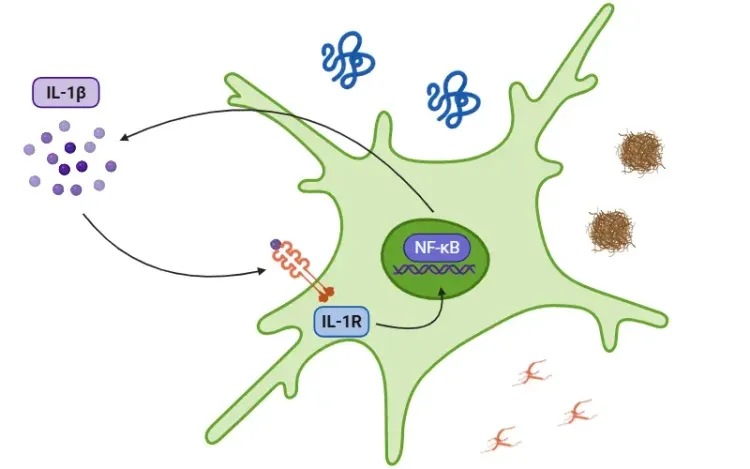
Multiple sclerosis (MS) is a chronic autoimmune disease characterized by immune cell infiltration into the central nervous system (CNS), resulting in demyelination, neuroinflammation, and neurodegeneration (Peterson, 2007). This inflammatory environment is marked by activation of resident glial cells, including microglia and astrocytes. Activated microglia release pro‑inflammatory cytokines, such as IL‑1β, in part through activation of the NLRP3 inflammasome.

Autoreactive T cellsparticularly Th1 and Th17 subsets—play a central role in amplifying CNS inflammation. These cells engage in bidirectional crosstalk with glial cells, reinforcing glial activation and sustaining inflammatory signaling that contributes to disease progression.

Experimental Autoimmune Encephalomyelitis (EAE) recapitulates many of the key immunopathological features of MS, including T cell infiltration, pro‑inflammatory cytokine production, and glial activation, making it a widely used model for investigating disease mechanisms and evaluating potential therapeutic strategies (Robinson, 2014).

EAE Induction and cytokine analysis

EAE induction leads to hindlimb paralysis and neuroinflammation, with cytokine levels quantifiable across multiple biological matrices, including CSF, blood, and spinal cord.

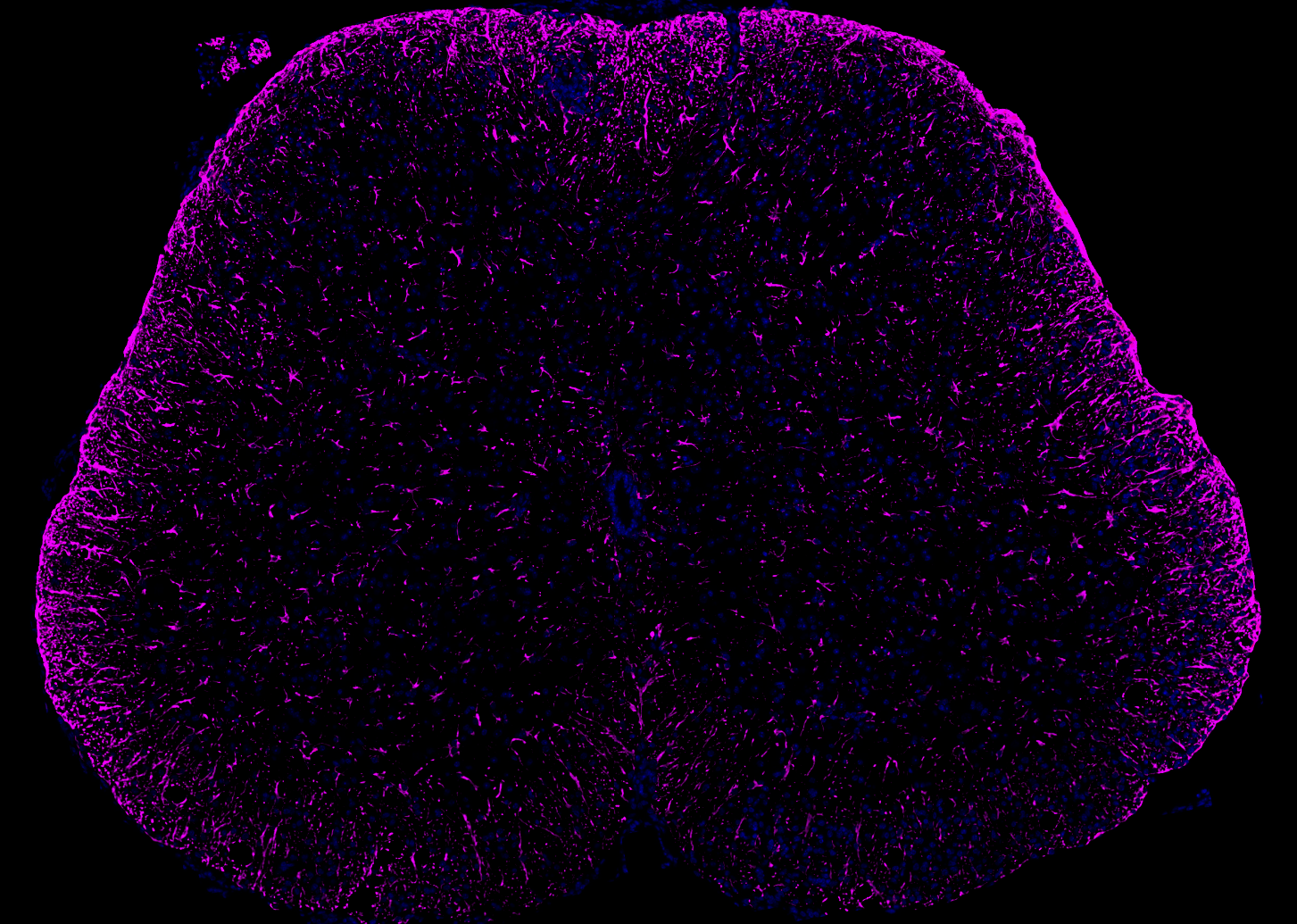
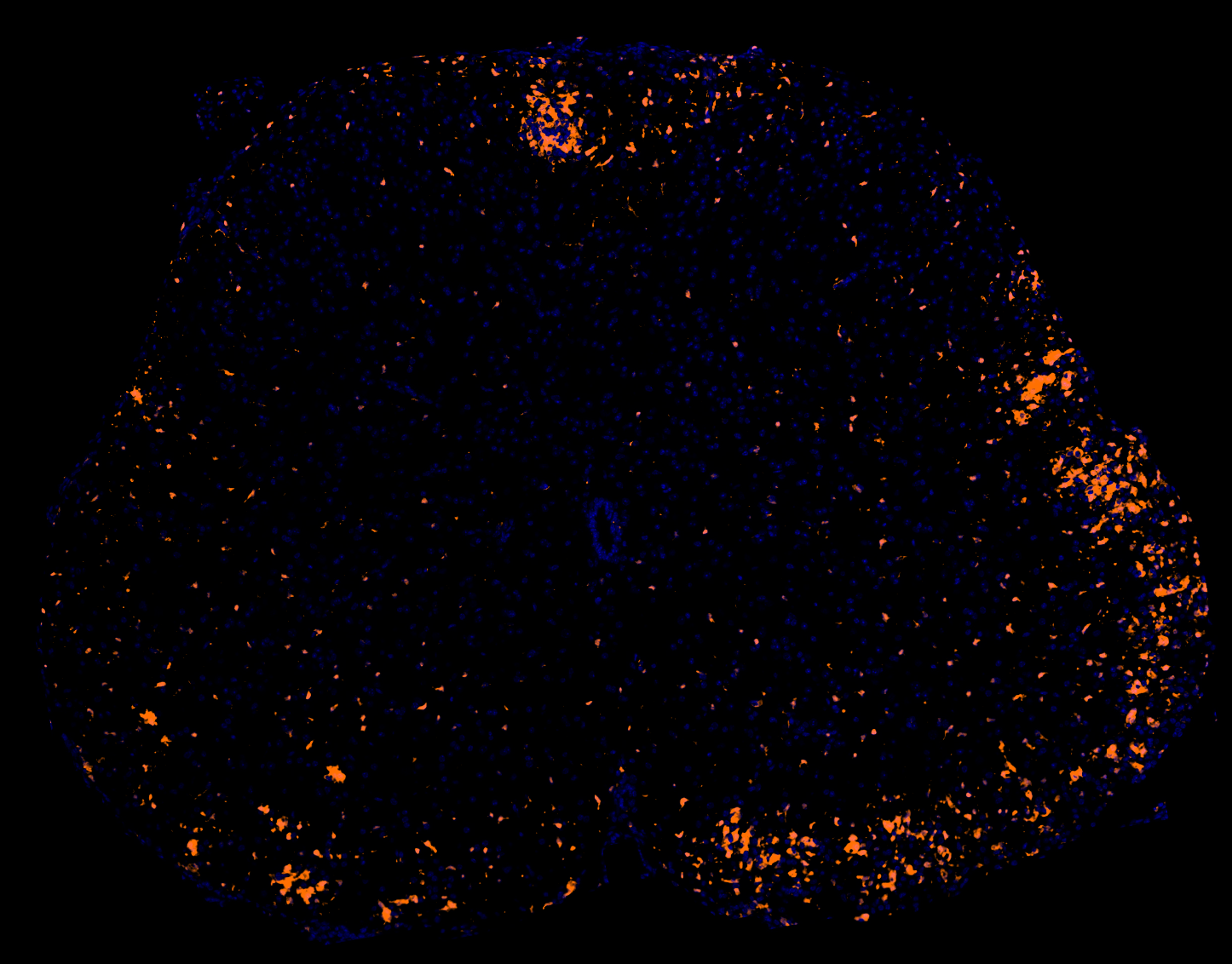
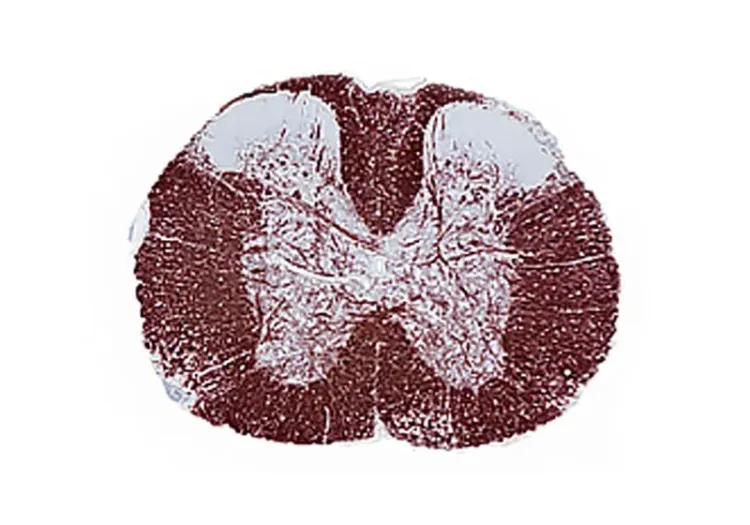
Multiplex immunofluorescence (mIF) images were generated by immunostaining for Myelin Basic Protein (MBP), T Lymphocytes (CD3), Macrophages/Microglia (Iba-1), and Astrocytes (GFAP), with nuclei counterstained using DAPI. Tissue sections were digitized using a high-throughput slide scanner and subsequently processed using Biospective’s PERMITS™ software platform.

To navigate though this Image Story, you can use the arrows and/or the Table of Contents icon in the upper right corner of this panel.

https://ispproductionpublic.blob.core.windows.net/media/a61d8ef6-9c45-4c94-80f5-e30100747aab/a61d8ef6-9c45-4c94-80f5-e30100747aab

You can also interact with the microscopy image in the viewer on the right at any time to further explore this high-resolution data.

CD3+ T Lymphocytes in the EAE Model

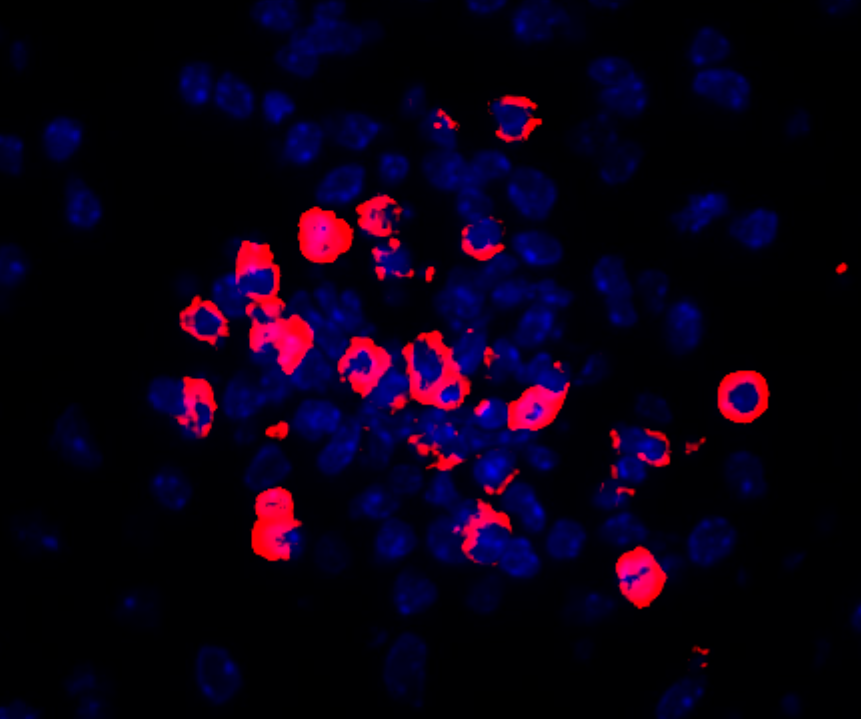
In MS, T cells are key drivers of pathology, launching autoimmune responses targeting myelin proteins like Myelin Basic Protein (MBP) and causing demyelination (Fletcher, 2010). In this immunofluorescence staining, an EAE mouse spinal cord section shows CD3 T cells extensively infiltrating the white matter, coinciding with areas devoid of MBP staining.

Cytokine and Neuroinflammatory Markers in EAE CSF and Spinal Cord Homogenates

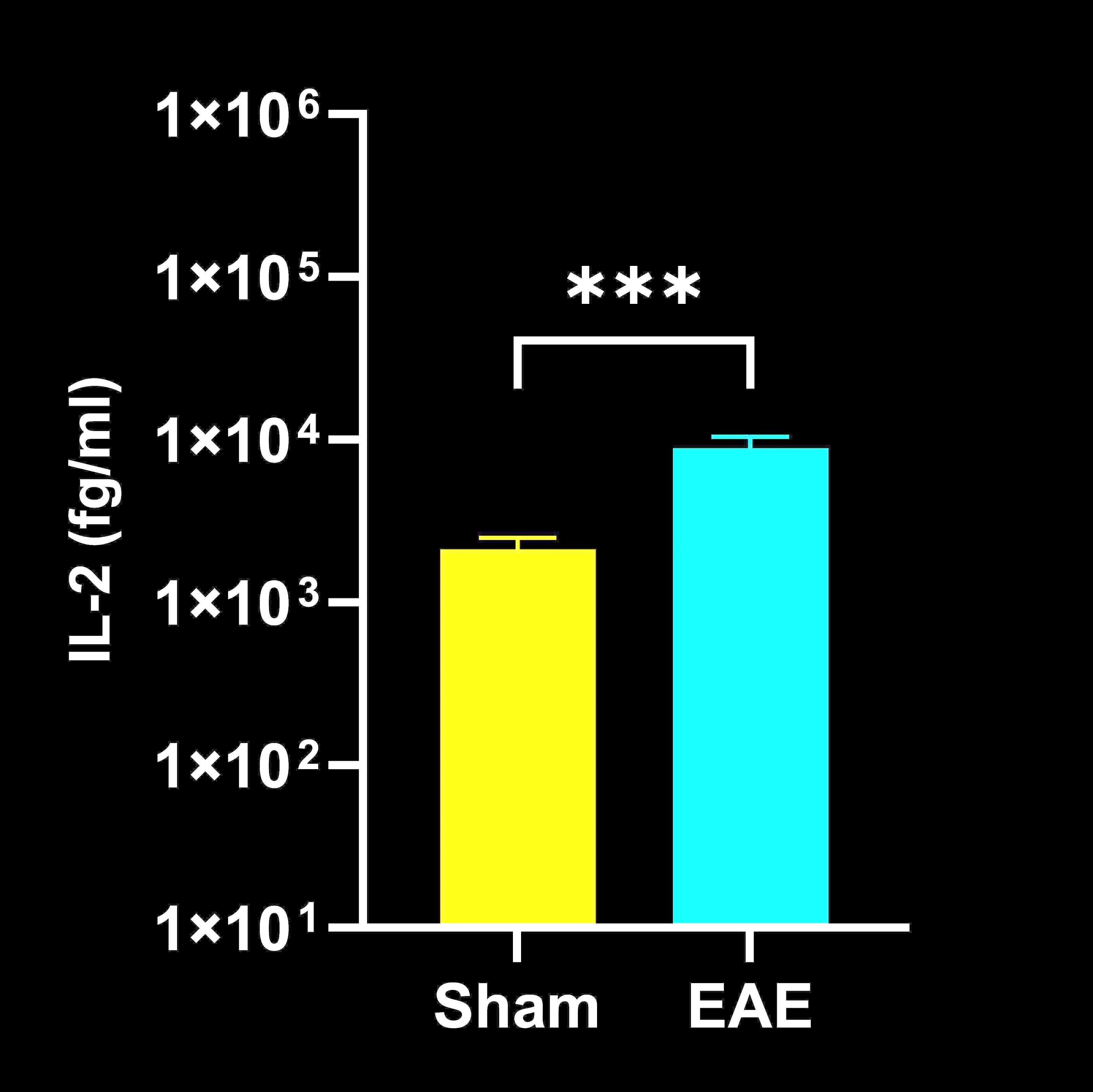
Cerebrospinal fluid (CSF) cytokine levels were assessed as biomarkers of disease activity. IL‑2 and TNF‑α were significantly elevated in the CSF of EAE mice compared with sham controls.

CSF IL-2 concentrations in EAE vs. sham

CSF IL-2 concentrations in EAE vs. sham (control) mice; mean ± SEM, *** p<0.001.

CSF TNF-α concentrations in EAE vs. sham (control) mice; mean ± SEM, *** p<0.001.

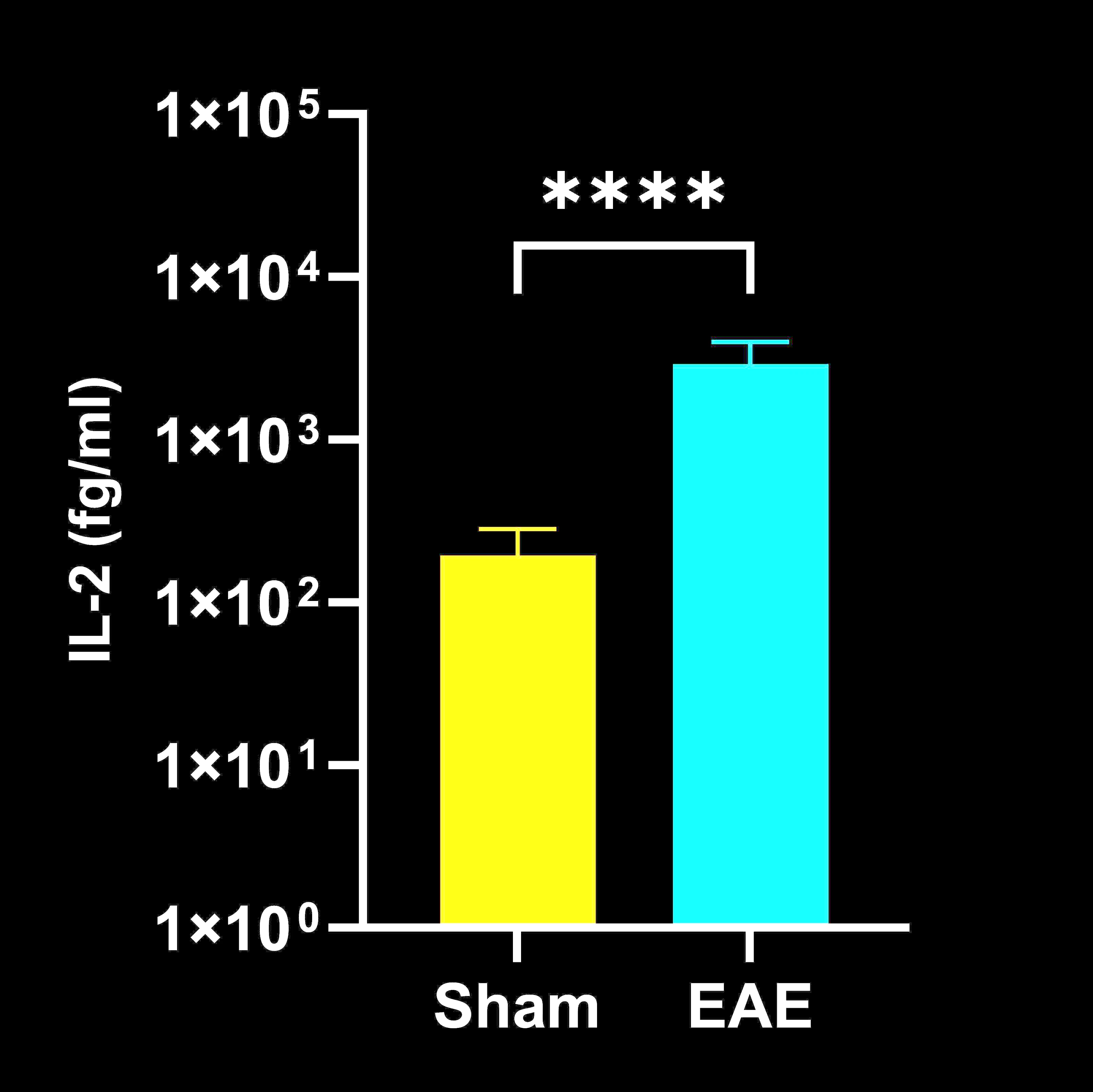
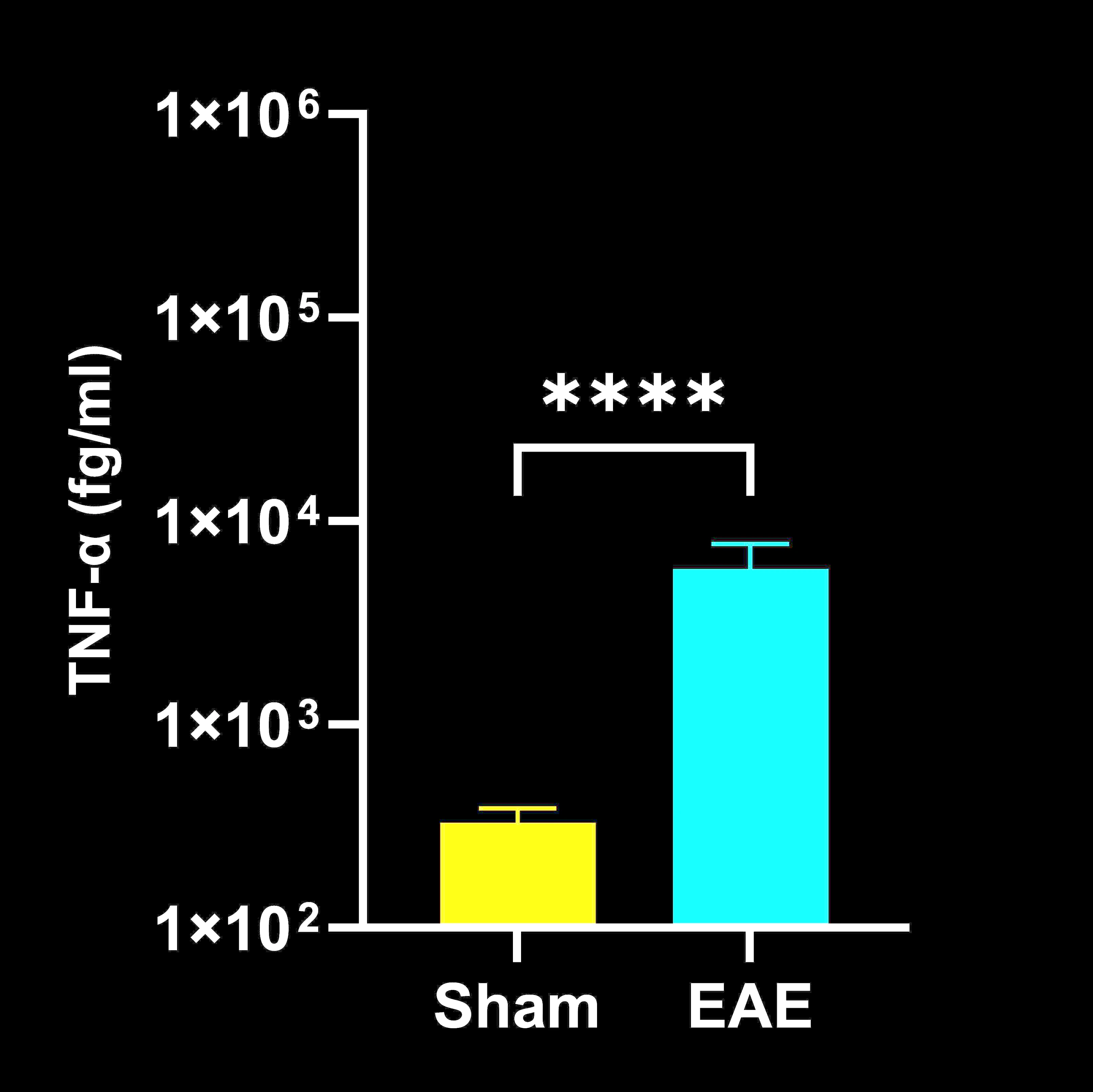
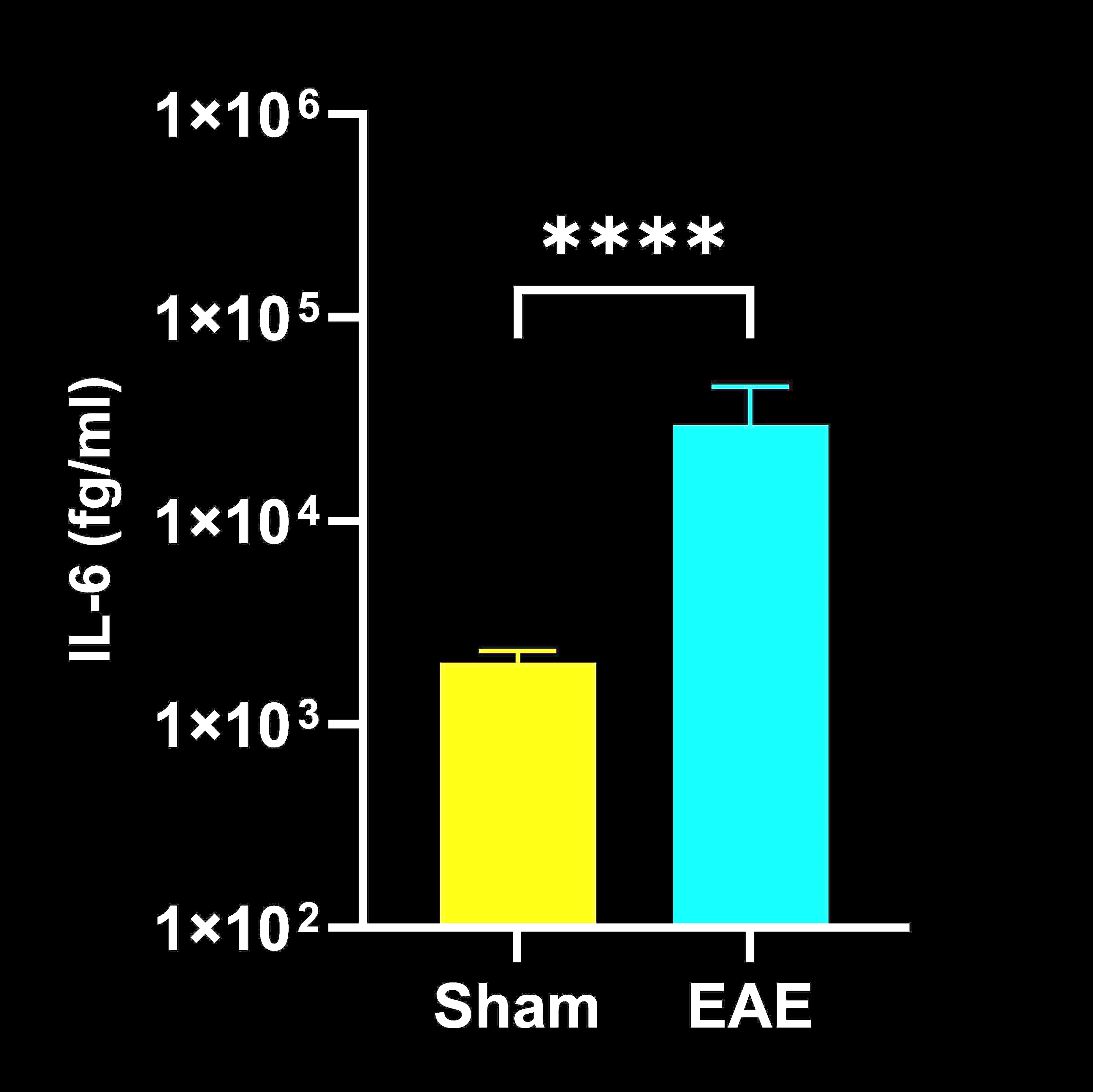
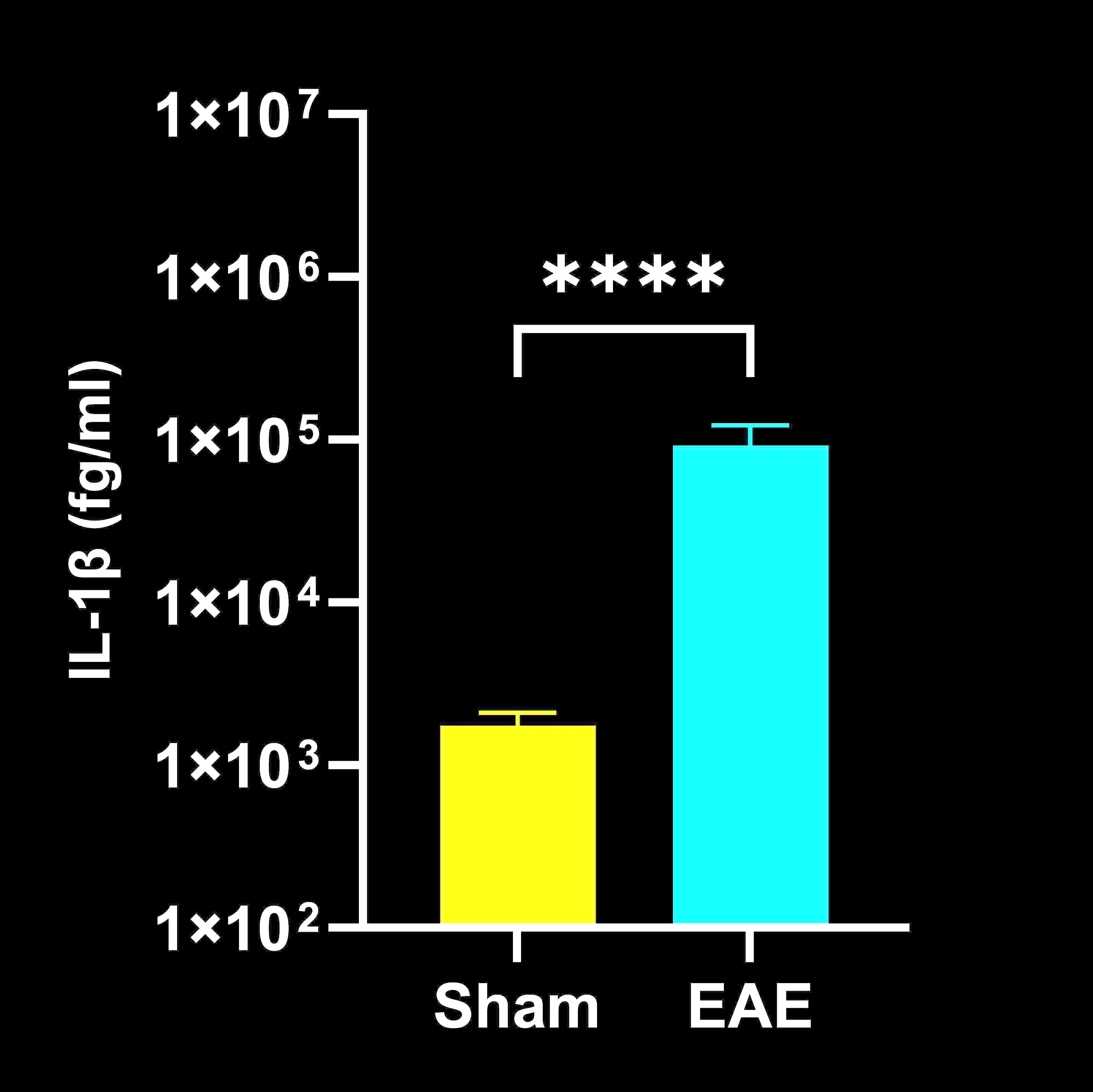
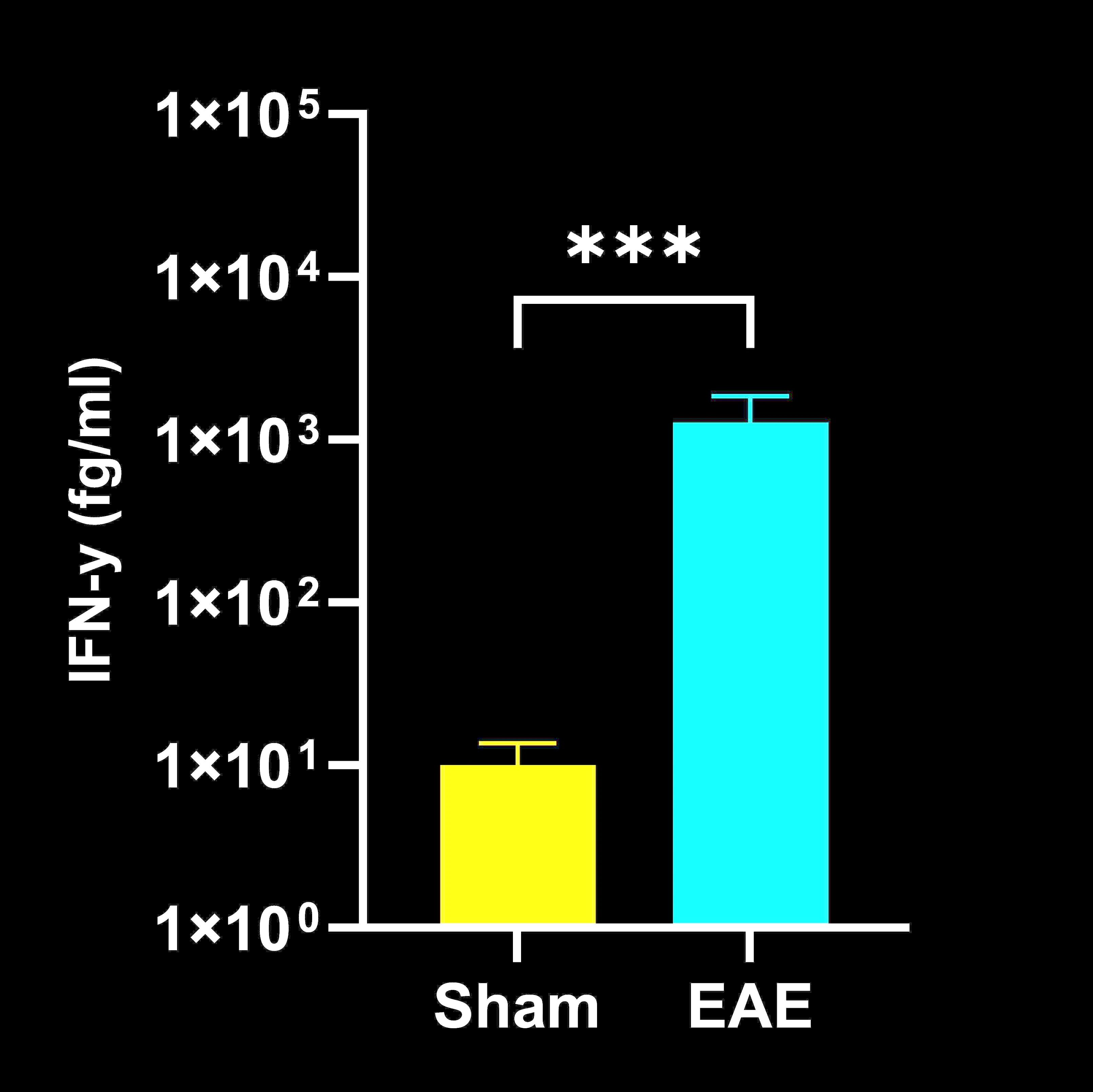
Cytokine levels were also measured in spinal cord homogenates. IL‑2, TNF‑α, IL‑6, IL‑1β, and IFN‑γ were significantly elevated in EAE mice relative to shams.

These increases in CSF and spinal cord cytokines are consistent with histological evidence of neuroinflammation, including enhanced CD3, Iba-1, and GFAP staining in the spinal cord.

Spinal cord homogenate IL-2 concentrations in EAE vs. sham

Spinal cord homogenate IL-2 concentrations in EAE vs. sham (control) mice; mean ± SEM, **** p<0.0001.

Spinal cord homogenate TNF-α concentrations in EAE vs. sham

Spinal cord homogenate TNF-α concentrations in EAE vs. sham (control) mice; mean ± SEM, **** p<0.0001.

Spinal cord homogenate IL-6 concentrations in EAE vs. sham

Spinal cord homogenate IL-6 concentrations in EAE vs. sham (control) mice; mean ± SEM, **** p<0.0001.

Spinal cord homogenate IL-1β concentrations in EAE vs. sham

Spinal cord homogenate IL-1β concentrations in EAE vs. sham (control) mice; mean ± SEM, **** p<0.0001.

Spinal cord homogenate IFN-γ concentrations in EAE vs. sham

Spinal cord homogenate IFN-γ concentrations in EAE vs. sham (control) mice; mean ± SEM, **** p<0.0001.

All cytokine results, including non-significant changes, are reported separately in our Presentation for CSF and spinal cord homogenates. Terminal plasma cytokine analysis showed no significant differences in any measured cytokine between EAE and sham groups.

Summary

MS is an autoimmune disease of the CNS characterized by demyelination and neuroinflammation involving infiltrating immune cells, activated macrophages/microglia, and reactive astrocytes (Luo, 2017).

EAE recapitulates these core pathological features, including CNS T‑cell infiltration, glial activation, and elevated pro‑inflammatory cytokines (Rangachari, 2013).

In the EAE model, immunofluorescence images of spinal cord tissue show increased CD3 T cells, Iba-1 macrophages/microglia, and GFAP astrocytes, consistent with neuroinflammatory pathology. Cytokine profiling showed elevated levels of IL‑2 and TNF‑α in CSF, and IL‑2, TNF‑α, IL‑6, IL‑1β, and IFN‑γ in spinal cord homogenates with no corresponding increases in peripheral blood.

Please feel free to further explore the microscopy image in the viewer.

We would be happy to discuss this mouse model and our characterization if you would like to Contact Us.

Table of Contents
Control Panel
Section: Spinal Cord Cross-Section
Channels

Image Interactive describing cytokine analysis quantified by ultrahigh sensitivity ELISA in terminal plasma, CSF, and spinal cord homogenates, along with high-resolution multiplex immunofluorescence spinal cord tissue sections from the EAE mouse model.

Multiple Sclerosis: Clinical and Pathological Features

Multiple sclerosis (MS) is a chronic neurodegenerative autoimmune disease of the central nervous system (CNS), characterized by demyelination and loss of oligodendrocytes. MS typically follows four clinical courses: relapsing-remitting MS (RRMS), primary progressive MS (PPMS), secondary progressive MS (SPMS), and progressive-relapsing MS (PRMS). Approximately 85% of patients initially present with RRMS, in which relapses of neurological dysfunction are followed by partial or complete remission. Symptoms vary widely and can include gait disturbances, visual impairment, and cognitive deficits.
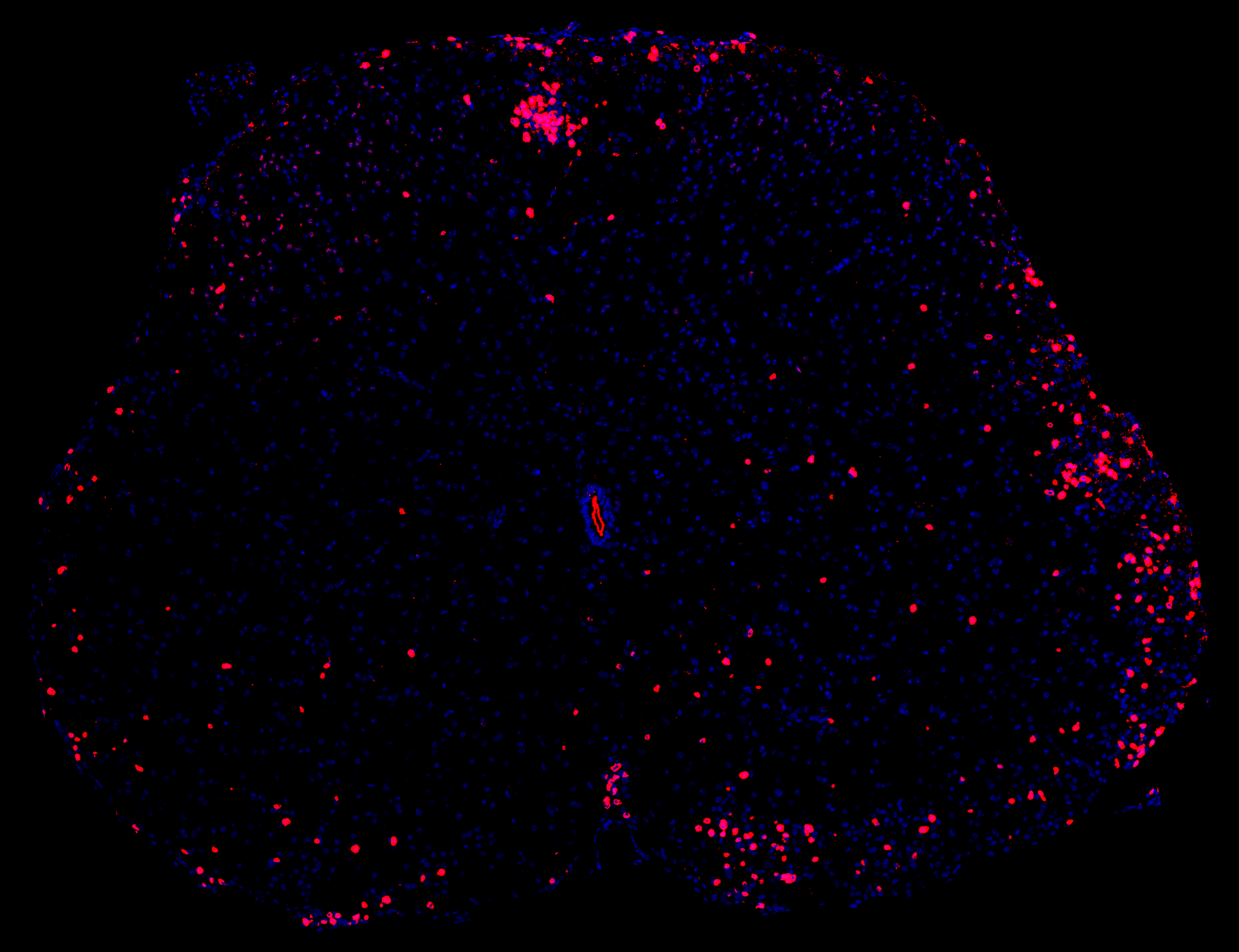
T lymphocytes in EAE mouse model

T lymphocytes (CD3, red) in our EAE mouse model.
High magnification of T lymphocytes in EAE mouse model

High magnification view of T lymphocytes (CD3, red) in the spinal cord in our EAE mouse model.

Role of T Cells in MS

A hallmark of MS pathology is the infiltration of autoreactive T lymphocytes, particularly CD4+ T helper (Th) cell subsets, into the CNS. Once recruited, Th cells secrete pro-inflammatory cytokines and chemokines that promote immune cell recruitment, activate resident glial cells, and contribute to blood–brain barrier (BBB) breakdown, demyelination, and axonal loss (Heng, 2022).

Among Th subsets, Th1 and Th17 cells are prominently involved. Th1 cells differentiate primarily under the influence of IL-12 and IFN-γ and drive macrophage activation and cell-mediated inflammation. Th17 cells arise in the presence of cytokines, such as IL-6 and TGF-β, and secrete IL-17A and GM-CSF.

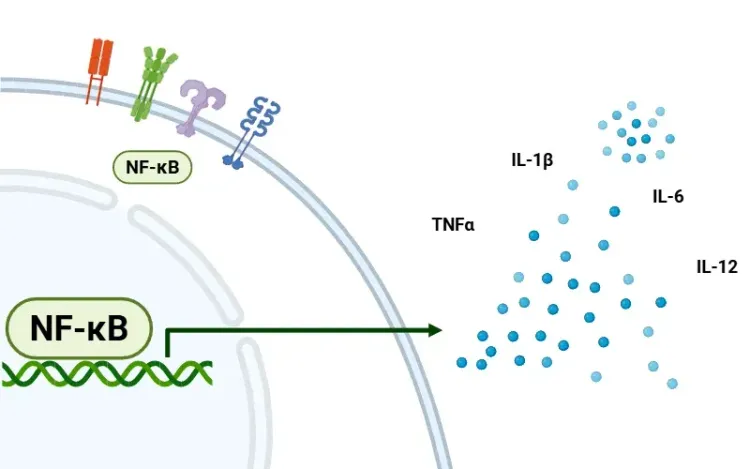
IL-17A is strongly linked to MS pathogenesis; signaling through the IL-17 receptor activates NF-κB, inducing additional pro-inflammatory cytokine production (including IL-1β) and sustaining recruitment of neutrophils and monocytes to inflammatory sites (Heng, 2022).

See our Resource: What is NF-κB (Nuclear Factor Kappa B)?

Glial Cells and NLRP3 Inflammasome

CNS-resident glial cells amplify the inflammatory response initiated by infiltrating T cells. Astrocytes are key contributors to MS immunopathology and respond to Th cell-derived cytokines by adopting a reactive phenotype that amplifies neuroinflammation and exacerbates tissue damage (Kunkl, 2022). Reactive astrocytes further compromise the BBB, and contribute to demyelination and axonal injury. Macrophages and microglia also become activated and release inflammatory mediators that sustain local immune responses and promote lesion development.

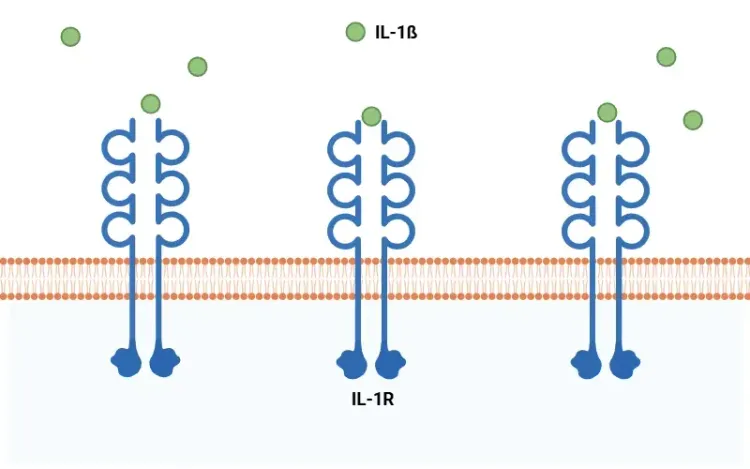
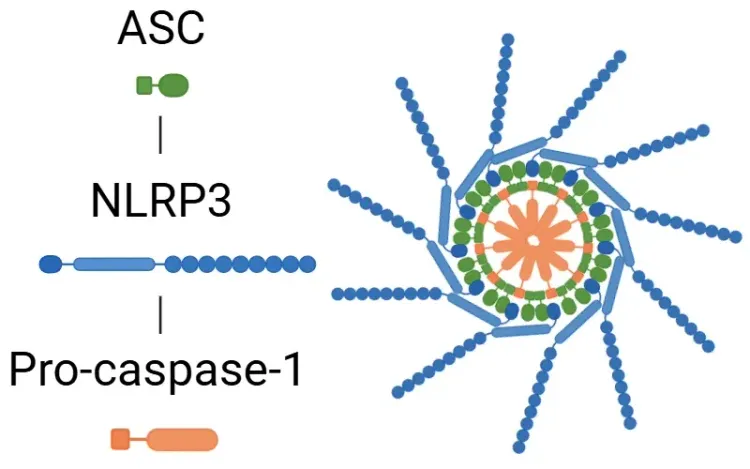
In addition, activation of the NLRP3 inflammasome represents an important innate immune mechanism in MS. The NLRP3 inflammasome is a multiprotein complex comprising the NLRP3 sensor protein, the ASC adaptor, and caspase-1. When activated, it triggers pyroptosis and the release of IL-1β and IL-18, thereby promoting neuroinflammation and neuronal damage (Xu, 2025). Consistent with this process, IL-1β levels are elevated in both MS and the EAE model (Borjini, 2016; Malhotra, 2020; Boraschi, 2023).

For more information, visit:
Astrocytes in EAE mouse model

Astrocytes (GFAP, violet) demonstrating neuroinflammation in our EAE mouse model.
Macrophages/Microglia in EAE model

Macrophages/microglia (Iba-1, orange) demonstrating neuroinflammation in our EAE mouse model.

Cytokines and Chemokines in MS

Cytokines and chemokines are central mediators of immune-driven tissue damage in MS. Chemokines regulate leukocyte recruitment into the CNS, thereby promoting inflammation and demyelination (Arimitsu, 2025). Tumor necrosis factor-alpha (TNF-α) is a major pro-inflammatory cytokine in MS, elevated in the cerebrospinal fluid (CSF) of patients and in animal models (Borjini, 2016; Zahid, 2021). It is one of the most prominent cytokines in both MS and EAE lesions (Maguire, 2021). TNF-α contributes to secondary neuronal and axonal damage, though it may also exert context-dependent protective effects through distinct receptor pathways (e.g. via TNFR2 vs. TNFR1).

Beyond pro-inflammatory factors, immunoregulatory cytokines influence MS progression as well. For example, IL-2 and TGF-β drive naive T cell differentiation into regulatory T (Treg) cells, which maintain immune tolerance through inhibitory cytokine release and other mechanisms; an imbalance between pro-inflammatory Th17 cells and anti-inflammatory Treg cells is implicated in disease pathogenesis (Zhang, 2021). MS lesions are ultimately characterized by infiltrating T and B lymphocytes, activated macrophages/microglia, and a complex cytokine milieu that drives chronic inflammation, demyelination, and neuroaxonal degeneration.

To learn more about the role of cytokines in neurodegenerative diseases, see our Resources on: IL-1β & TNF-α

Experimental Autoimmune Encephalomyelitis as a Model of MS

Experimental Autoimmune Encephalomyelitis (EAE) is a gold-standard animal model of MS, recapitulating many pathologic features of the human disease. Cytokine-driven demyelination and neurodegeneration, central to MS pathology, are also key features of EAE. For example, IL-6 is increased in the brains of EAE mice (Leuti, 2021; Marin-Prida, 2022). Myelin oligodendrocyte glycoprotein (MOG)35–55-induced EAE in mice is widely used and reflects essential aspects of MS, including CNS immune cell infiltration, and, depending on the model, a relapsing-remitting or a chronic progressive disease course.

However, while many EAE studies focus on clinical, histopathological, and/or gene expression readouts, comparatively few have directly quantified cytokine concentrations across matched tissues and biofluids using highly sensitive multiplex immunoassays. This lack of data highlights the importance of multiple biological matrix cytokine profiling as a complement to traditional EAE endpoints.

See: What is EAE (Experimental Autoimmune Encephalomyelitis)? & Axonal Injury & Experimental Autoimmune Encephalomyelitis
EAE Model and Cytokine Levels

EAE induction leads to hindlimb paralysis and neuroinflammation, with cytokine levels quantifiable across multiple biological matrices, including CSF, blood, and spinal cord.

Spinal cord homogenate cytokine concentrations in EAE vs. Sham

Spinal cord homogenate cytokine concentrations in EAE vs. Sham (control) mice; mean ± SEM, *** p<0.001; **** p<0.0001.

Terminal CSF cytokine concentrations in EAE vs. Sham

Terminal CSF cytokine concentrations in EAE vs. Sham (control) mice; mean ± SEM, *** p<0.001.

Terminal plasma cytokine concentrations in EAE vs. Sham

Terminal plasma cytokine concentrations in EAE vs. Sham (control) mice; mean ± SEM.

FAQs

What role do T helper (Th) cells play in MS?

T helper cells, particularly Th1 and Th17 subsets, are central to MS pathogenesis. Th1 cells, which develop under IL-12 and IFN-γ signaling, produce IFN-γ and activate microglia to promote inflammation. Th17 cells, which differentiate under cytokines, such as IL-6 and TGF-β, produce IL-17A and GM-CSF. Together, these pro-inflammatory cytokines activate glial and other immune cells, amplify neuroinflammation, and contribute to demyelination and axonal injury in the CNS.


How do cytokines contribute to MS progression?

Cytokines, such as IFN-γ, TNF-α, IL-1β, IL-6, and IL-17A, play key roles in driving inflammation in MS. They promote immune cell recruitment to the CNS, activate resident cells like astrocytes and microglia, and contribute to demyelination and neuronal injury.


What is the NLRP3 inflammasome and why is it important in MS?

The NLRP3 inflammasome is a multiprotein complex of the innate immune system, composed of the NLRP3 sensor protein, the ASC adaptor, and caspase-1. When this complex becomes activated (for instance by cellular stress or damage signals), caspase-1 triggers pyroptosis and the release of pro-inflammatory cytokines IL-1β and IL-18. NLRP3 inflammasome activation in the CNS contributes to neuroinflammation and has been implicated in MS disease progression.


What is Experimental Autoimmune Encephalomyelitis (EAE) and how is it used in MS research?

EAE is a widely used animal model of MS that mimics many features of the human disease. It is typically induced in mice by immunization with myelin oligodendrocyte glycoprotein (such as MOG35-55) in combination with an adjuvant (usually complete Freund’s adjuvant) and pertussis toxin. In EAE, immune cells infiltrate the CNS and trigger inflammation, demyelination, and neurological deficits similar to those seen in MS. Researchers use EAE to study MS mechanisms and to evaluate therapies. While EAE studies often focus on clinical scores or pathology, measuring cytokine proteins in EAE (especially in both CNS tissues and fluids) provides important direct insights into the immune response.


What roles do astrocytes and microglia play in MS?

Astrocytes and microglia are key resident cells of the CNS that actively contribute to MS pathology. Astrocytes respond to inflammatory signals (e.g. from Th cells) by becoming reactive and releasing factors that amplify neuroinflammation, promote BBB breakdown, and contribute to demyelination (indirectly, by fostering a pro-inflammatory environment). Microglia, the CNS’s resident immune cells, normally monitor for threats but become activated during MS. Activated microglia release inflammatory mediators that damage myelin and neurons, exacerbating the disease process.


References

Alassiri, M., Al Sufiani, F., Aljohi, M., Alanazi, A., Alhazmi, A.S., Alrfaei, B.M., Alnakhli, H., Alshawakir, Y.A., Alharby, S.M., Almubarak, A.Y., Alasseiri, M., Alorf, N., Abdullah, M.L. PEPITEM treatment ameliorates EAE in mice by reducing CNS inflammation, leukocyte infiltration, demyelination, and proinflammatory cytokine production. Int. J. Mol. Sci., 24:17243, 2023; doi: 10.3390/ijms242417243

Arimitsu, N.N., Witkowska, A., Ohashi, A., Miyabe, C., Miyabe, Y. Chemokines as therapeutic targets for multiple sclerosis: a spatial and chronological perspective. Front. Immunol., 16:1547256, 2025; doi: 10.3389/fimmu.2025.1547256

Boraschi, D., Italiani, P., Migliorini, P., Bossù, P. Cause or consequence? the role of IL-1 family cytokines and receptors in neuroinflammatory and neurodegenerative diseases. Front. Immunol., 14:1128190, 2023; doi: 10.3389/fimmu.2023.1128190

Borjini, N., Fernández, M., Giardino, L., Calzà, L. Cytokine and chemokine alterations in tissue, CSF, and plasma in early presymptomatic phase of experimental allergic encephalomyelitis (EAE), in a rat model of multiple sclerosis. J. Neuroinflammation, 13:291, 2016; doi: 10.1186/s12974-016-0757-6

Fletcher, J.M., Lalor, S.J., Sweeney, C.M., Tubridy, N., Mills, K.H. T cells in multiple sclerosis and experimental autoimmune encephalomyelitis. Clin. Exp. Immunol., 162:1-11, 2010; doi: 10.1111/j.1365-2249.2010.04143.x

Heng, A.H.S., Han, C.W., Abbott, C., McColl, S.R., Comerford, I. Chemokine-driven migration of pro-inflammatory CD4+ T cells in CNS autoimmune disease. Front. Immunol., 13:817473, 2022; doi: 10.3389/fimmu.2022.817473

Kunkl, M., Amormino, C., Tedeschi, V., Fiorillo, M.T., Tuosto, L. Astrocytes and inflammatory T helper cells: a dangerous liaison in multiple sclerosis. Front. Immunol., 13:824411, 2022; doi: 10.3389/fimmu.2022.824411

Leuti, A., Talamonti, E., Gentile, A., Tiberi, M., Matteocci, A., Fresegna, D., Centonze, D., Chiurchiù, V. Macrophage plasticity and polarization are altered in the experimental model of multiple sclerosis. Biomolecules, 11:837, 2021; doi: 10.3390/biom11060837

Luo, C., Jian, C., Liao, Y., Huang, Q., Wu, Y., Liu, X., Zou, D., Wu, Y. The role of microglia in multiple sclerosis. Neuropsychiatr. Dis. Treat., 13:1661-1667, 2017; doi: 10.2147/NDT.S140634

Maguire, A.D., Bethea, J.R., Kerr, B.J. TNFα in MS and its animal models: implications for chronic pain in the disease. Front. Neurol., 12:780876, 2021; doi: 10.3389/fneur.2021.780876

Malhotra, S., Costa, C., Eixarch, H., Keller, C. W., Amman, L., Martínez-Banaclocha, H., Midaglia, L., Sarró, E., Machín-Díaz, I., Villar, L. M., Triviño, J. C., Oliver-Martos, B., Parladé, L. N., Calvo-Barreiro, L., Matesanz, F., Vandenbroeck, K., Urcelay, E., Martínez-Ginés, M. L., Tejeda-Velarde, A., Fissolo, N., Castilló, J., Sanchez, A., Robertson, A.A.B., Clemente, D., Prinz, M., Pelegrin, P., Lünemann, J.D., Espejo, C., Montalban, X., Comabella, M. NLRP3 inflammasome as prognostic factor and therapeutic target in primary progressive multiple sclerosis patients. Brain, 143:1414-1430, 2020; doi: 10.1093/brain/awaa084. PMID: 32282893

Marín-Prida, J., Pavón-Fuentes, N., Lagumersindez-Denis, N., Camacho-Rodríguez, H., García-Soca, A. M., Sarduy-Chávez, R. C., Vieira, É.L.M., Carvalho-Tavares, J., Falcón-Cama, V., Fernández-Massó, J.R., Hernández-González, I., Martínez-Donato, G., Guillén-Nieto, G., Pentón-Arias, E., Teixeira, M.M., Pentón-Rol, G. Anti-inflammatory mechanisms and pharmacological actions of phycocyanobilin in a mouse model of experimental autoimmune encephalomyelitis: a therapeutic promise for multiple sclerosis. Front. Immunol., 13:1036200, 2022; doi: 10.3389/fimmu.2022.1036200

Peterson, L.K., Fujinami, R.S. Inflammation, demyelination, neurodegeneration and neuroprotection in the pathogenesis of multiple sclerosis. J. Neuroimmunol., 184:37-44, 2007; doi: 10.1016/j.jneuroim.2006.11.015

Rangachari, M., Kuchroo, V.K. Using EAE to better understand principles of immune function and autoimmune pathology. J. Autoimmun., 45:31-9, 2013; doi: 10.1016/j.jaut.2013.06.008

Robinson, A.P., Harp, C.T., Noronha, A., Miller, S.D. The experimental autoimmune encephalomyelitis (EAE) model of MS: utility for understanding disease pathophysiology and treatment. Handb. Clin. Neurol., 122:173-89, 2014; doi: 10.1016/B978-0-444-52001-2.00008-X

Xu, W., Huang, Y., Zhou, R.. NLRP3 inflammasome in neuroinflammation and central nervous system diseases. Cell Mol. Immunol., 22:341-355, 2025; doi: 10.1038/s41423-025-01275-w

Zahid, M., Busmail, A., Penumetcha, S.S., Ahluwalia, S., Irfan, R., Khan, S.A., Rohit Reddy, S., Vasquez Lopez, M.E., Mohammed, L. Tumor necrosis factor alpha blockade and multiple sclerosis: exploring new avenues. Cureus, 13:e18847, 2021; doi: 10.7759/cureus.18847

Zhang, R., Liu, J., Xu, B., Wu, Y., Liang, S., Yuan, Q. Cornuside alleviates experimental autoimmune encephalomyelitis by inhibiting Th17 cell infiltration into the central nervous system. J. Zhejiang Univ. Sci. B., 22:421-430, 2021; doi: 10.1631/jzus.B2000771


Keywords

ASC: an adaptor protein containing a PYD and CARD domain, which mediates the recruitment of pro-caspase-1 to sensor proteins like NLRs during inflammasome assembly. This interaction enables caspase-1 activation and subsequent initiation of inflammatory signaling pathways, including cytokine processing and pyroptosis.

Astrogliosis: the proliferation and hypertrophy of astrocytes, a type of glial cell, in response to brain injury or disease, often observed in neurodegenerative diseases.

Axonal Injury: damage to the neuronal axon.

Biomarker: a measurable indicator of a biological state or condition. Biomarkers are often used in medicine and research to detect or monitor the presence, progress, or severity of a disease, as well as to assess the effectiveness of a treatment.

Blood-Brain Barrier (BBB) Permeability: BBB is a highly selective semipermeable layer of endothelial cells between the circulatory system and the brain. This layer forms a barrier that protects the brain from harmful or unwanted substances in the blood. Increased BBB permeability can result from neurological diseases and traumatic injuries and can be visible with gadolinium scans. Increased BBB permeability is a key factor in MS lesion formation, allowing immune cells to enter the brain and cause inflammation.

Brain Atrophy: reduction in volume or thickness of the entire brain or regions of the brain.

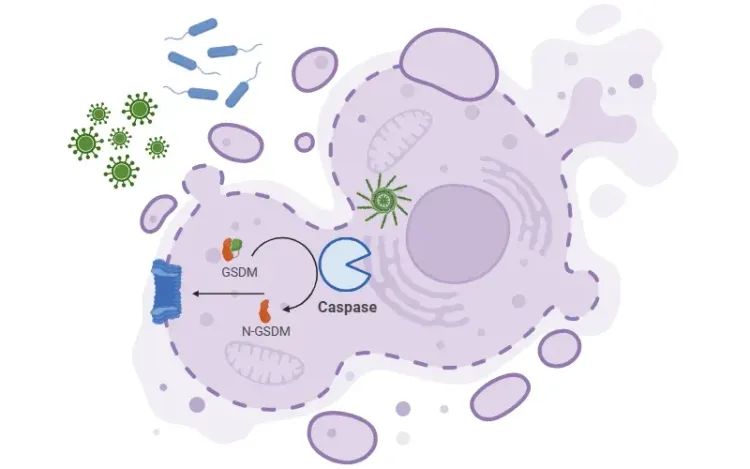
Caspase-1: an inflammatory cysteine protease activated within multiprotein complexes called inflammasomes. It executes pyroptosis by cleaving gasdermin D (GSDMD) and processes pro-inflammatory cytokines pro-IL-1β and pro-IL-18 into their active forms to drive inflammation.

Cerebrospinal Fluid (CSF): an ultrafiltrate of plasma contained within the ventricles of the brain and the subarachnoid spaces of the brain and spinal cord.

Cytokine: a protein that serves as a signaling molecule among immune system cells. Cytokines are classified into interleukins, interferons, tumor necrosis factors (TNF), chemokines, colony-stimulating factors, and transforming growth factors. Depending on their role in the immune response, cytokines can be categorized as pro-inflammatory or anti-inflammatory.

Demyelination: a destructive process that causes damage to the myelin sheath that surrounds axons. In the central nervous system, the myelin sheath protects nerves in the brain, spinal cord and optic nerves. When this myelin sheath is damaged, the ability of the nerve to conduct electrical impulses slow or even stop.

ELISA (Enzyme-Linked Immunosorbent Assay): a commonly used analytical biochemistry assay that detects the presence of a ligand (e.g. protein) in a liquid sample using antibodies directed against the ligand of interest.

Experimental Autoimmune Encephalomyelitis (EAE): a commonly used autoimmune-mediated model of multiple sclerosis (MS) induced by CD4+ T cells specific for myelin-derived antigens, and characterized by paralysis resulting from inflammation, demyelination, axonal injury, and neurodegeneration in the central nervous system (CNS).

Fluid Biomarker: a measure of disease obtained from bodily fluids, such as blood, cerebrospinal fluid (CSF), urine, sweat, tears, etc.

Gliosis: the proliferation and hypertrophy of glial cells, in response to brain injury or disease, often observed in neurodegenerative diseases.

Immune-mediated Inflammation: describes the condition where the inflammatory pathways of the immune system drive inflammation. Within the brain, immune-mediated inflammation includes cellular infiltration (T cells, B cells, and macrophages) as well as activation of proinflammatory cytokines. In MS, the immune-mediated inflammation targets myelin, contributing to lesion formation.

Immunoassay: a biochemical test that uses antibodies to detect and quantify specific proteins or other molecules in a sample.

Immunofluorescence (IF): a method similar to immunohistochemistry that uses fluorescently-labeled antibodies to detect specific antigens in tissue samples.

Inflammasome: a cytosolic multiprotein complex that assembles in response to pathogen-associated or damage-associated molecular patterns (PAMPs/DAMPs). It typically consists of a pattern recognition receptor (e.g. NLRP3), the adaptor protein ASC, and pro-caspase-1. Upon activation, it mediates caspase-1-dependent maturation of pro-inflammatory cytokines IL-1β and IL-18 and induces pyroptosis, contributing to innate immune defense and inflammatory pathology.

Microglia: one of the neuroglial cell types present in the brain and spinal cord. Constituting approximately 10-15% of the total cellular population in the brain, microglial cells function as the primary immune cells of the central nervous system. These cells are essential for maintaining homeostasis, clearing cellular debris, and providing critical support functions within the brain.

Multiple Sclerosis (MS): the most commonly demyelinating disease of the central nervous system (CNS); MS is an immune-mediated disease, involving T cell, B cells, microglia, and macrophages, and characterized by inflammation, demyelination, axonal injury, and neurodegeneration.

Multiplex: the ability to simultaneously measure multiple analytes within a single sample or assay well.

Myelin: a mixture of phospholipids and proteins that forms a concentric wrapped structure to ensheath an axon. Its primary function is to insulate the axon and enhance the speed and efficiency of electrical signal transmission.

Neurodegeneration: a complex, multifactorial process resulting in the loss of neurons.

Neuroinflammation: an inflammatory response within the central nervous system (CNS), primarily involving the activation of microglia and astrocytes. This process can be triggered by various factors, including infections, traumatic brain injury, toxic metabolites, and autoimmune diseases.

NLRP3 Inflammasome: a cytosolic multi-protein complex found primarily in neuroinflammatory cells like microglia and astrocytes, and peripheral immune cells. The NLRP3 inflammasome plays a key role in the immune response by activating caspase-1 in response to various stress signals or infections, leading to the release of proinflammatory cytokines like IL-1β and IL-18, as well as the pore-forming molecule GSDMD. This inflammatory process can contribute to chronic inflammation and neurodegeneration, making NLRP3 a potential target for therapeutic intervention in neurodegenerative diseases.

Oligodendrocyte: one of the neuroglial cell types present in the brain and spinal cord. Constituting approximately 20-40% of all glial cells, oligodendrocytes represent approximately 10-20% of all brain cells. Oligodendrocytes are the cells that produce and maintenance the myelin sheath. A single oligodendrocyte will extend its processes to multiple axons, and ensheathing multiple segments with the protective myelin layers.

Plasma: the liquid portion of blood, obtained after removing blood cells but retaining clotting factors; used in many biomarker analyses.

Pyroptosis: a pro-inflammatory form of programmed cell death characterized by gasdermin D-mediated cell membrane pore formation, resulting in cell swelling and osmotic lysis, resulting in rupture of the plasma membrane and the release of pro-inflammatory mediators. Pyroptosis plays a protective role in host defense but also contributes to the pathogenesis of various inflammatory, autoimmune, and neurodegenerative diseases when dysregulated.

Reactive Astrocytes: umbrella term for astrocytes adopting one of many possible molecular states as a response to pathological conditions in the CNS, as part of ‘reactive astrogliosis’. Defined by Escartin et al. (Escartin, 2021) in a consensus statement.

Reactive Microglia: microglia that are responding to or reacting to a particular condition. The name was proposed by Paolicelli et al. (Paolicelli, 2022) in lieu of the discouraged term “activated” microglia, emphasizing that microglia can have many different “reactive states” in health and disease.

Relapsing-Remitting MS (RRMS): most common MS type, characterized by relapses of neurological symptoms, often correlated with gadolinium-enhancing lesions.

Secondary Progressive MS (SPMS): advanced MS stage where the disease worsens over time, often with fewer active lesions but more chronic damage on MRI.

Serum: the fluid portion of blood collected after clotting has occurred, lacking clotting factors but rich in proteins and analytes.


Related Content

Up-to-date information on Cytokine Analysis and Neuroinflammation and best practices related to the evaluation of therapeutic agents in animal models of neurodegenerative diseases.
More Information

Let us know what you’re interested in. Our team will be happy to discuss with you!

Email us at i[email protected] or simply complete & submit the form below. 

Name*
Email*
Purpose of Inquiry*
Affiliation (Company/Institution)*
Message*

Your privacy is important to us. We will protect your data as outlined in our Privacy Notice.

I agree to the terms in the Privacy Notice*

We use necessary cookies to make our site work. We also use other cookies to help us make improvements by measuring how you use the site or for marketing purposes. You have the choice to accept or reject them all. For more detailed information about the cookies we use, see our Privacy Notice.